
Bachelor of Science in Dryland Sustainability Science and Technology
Drylands cover about 40% of the earth’s land surface and make a substantial contribution to the Gross Domestic Product (GDP) of most developing countries of the world. According to UNDP’s Human Development Index, over 50% of the most disadvantaged countries are in dryland Africa. In Kenya, drylands constitute over eighty-nine (89%) of the country’s land surface area and are home to approximately 35% of the human population, seventy percent (70%) of the national livestock herd, and most of the wildlife and biodiversity.
AGRICULTURE 4 THE FUTURE- LIVESTOCK ROLE
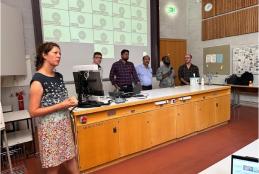
Livestock production is a key component of the global food system. Livestock sectors all over the world provide food and generate income for millions of farmers and actors within the value chain. However, the growing demand for resource intensive animal products, and the industrialization of production has resulted in a wide range of environmental, social, and ethical concerns.
- Read more about AGRICULTURE 4 THE FUTURE- LIVESTOCK ROLE
- Log in to post comments